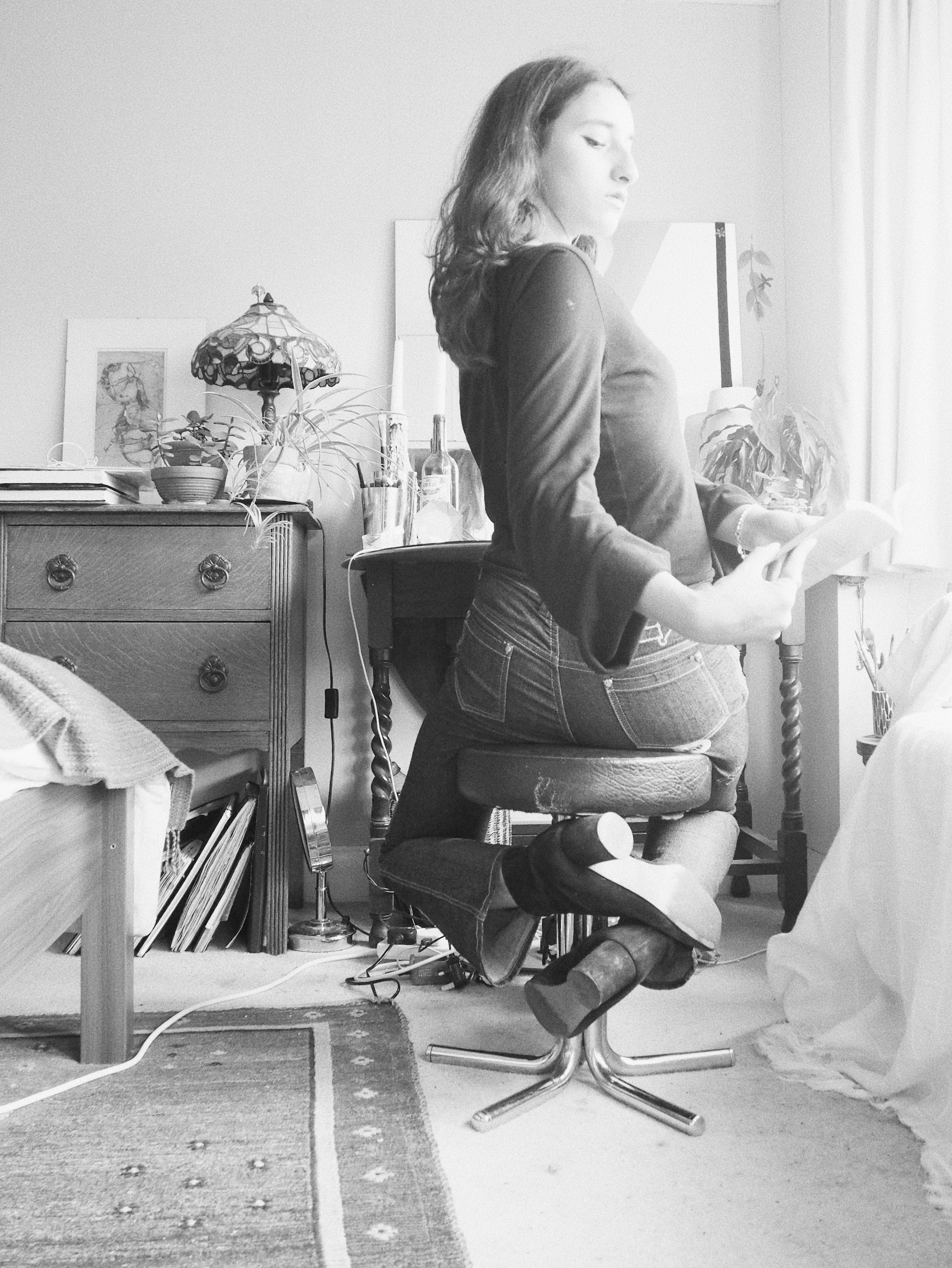
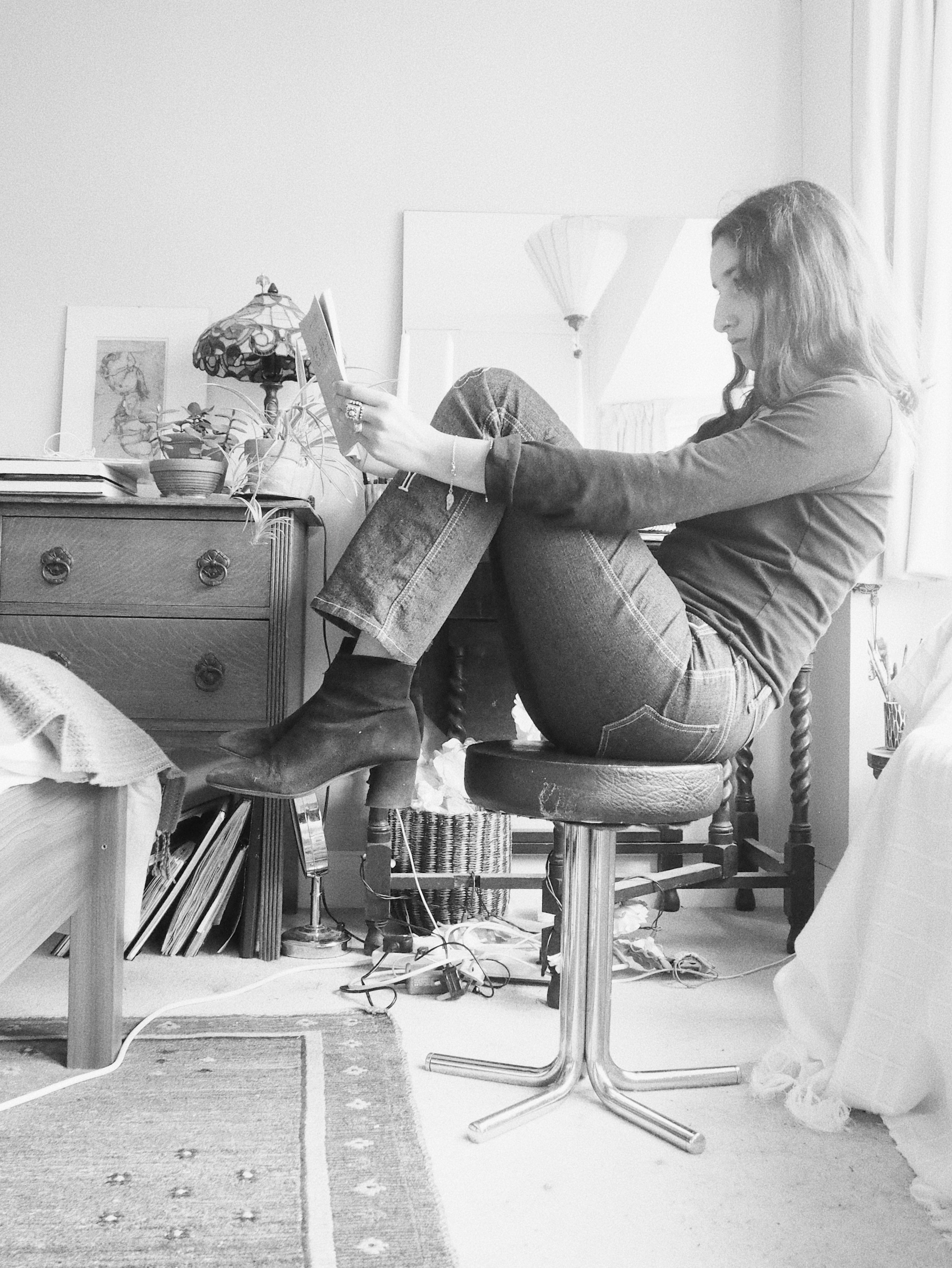
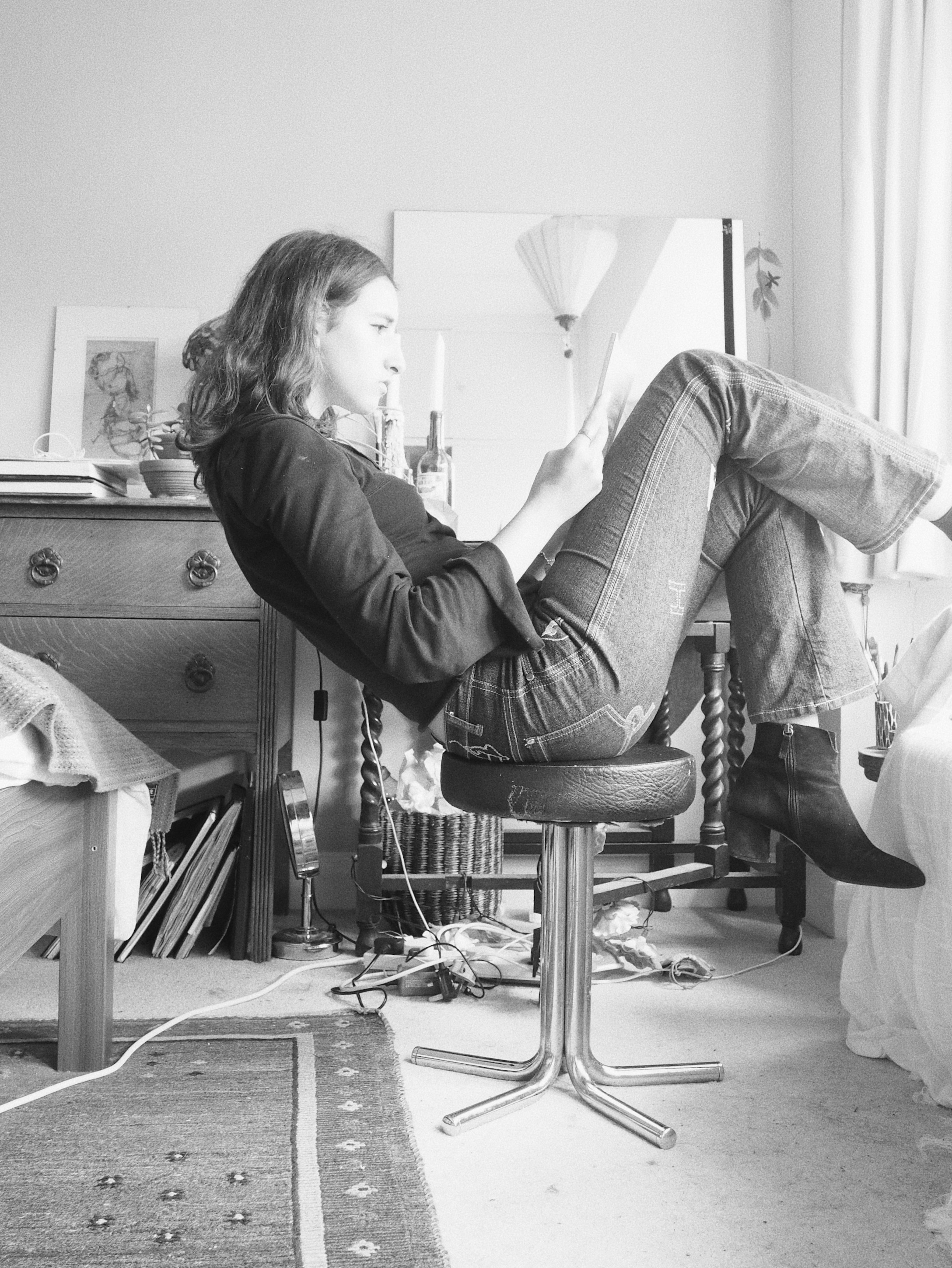
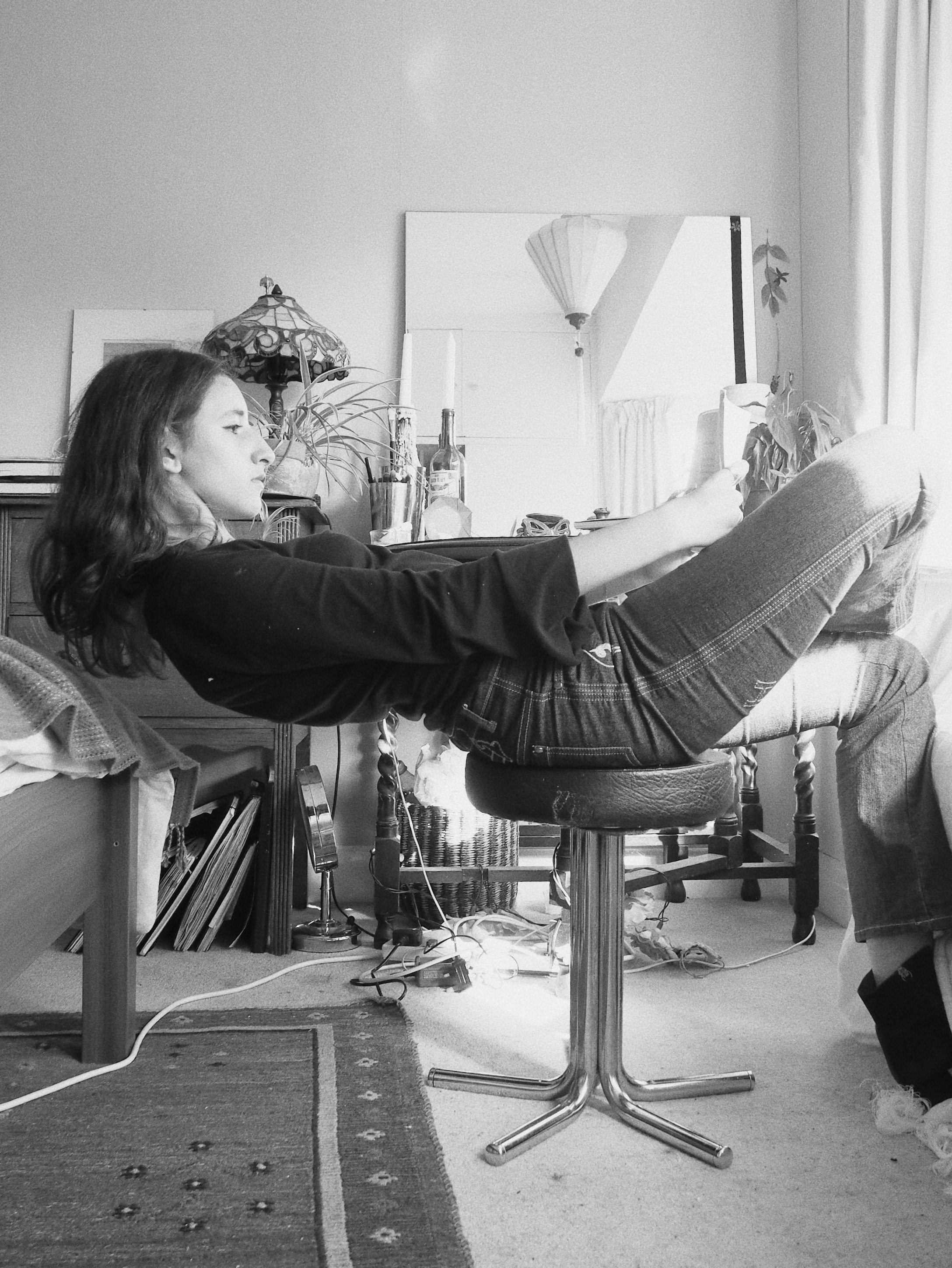
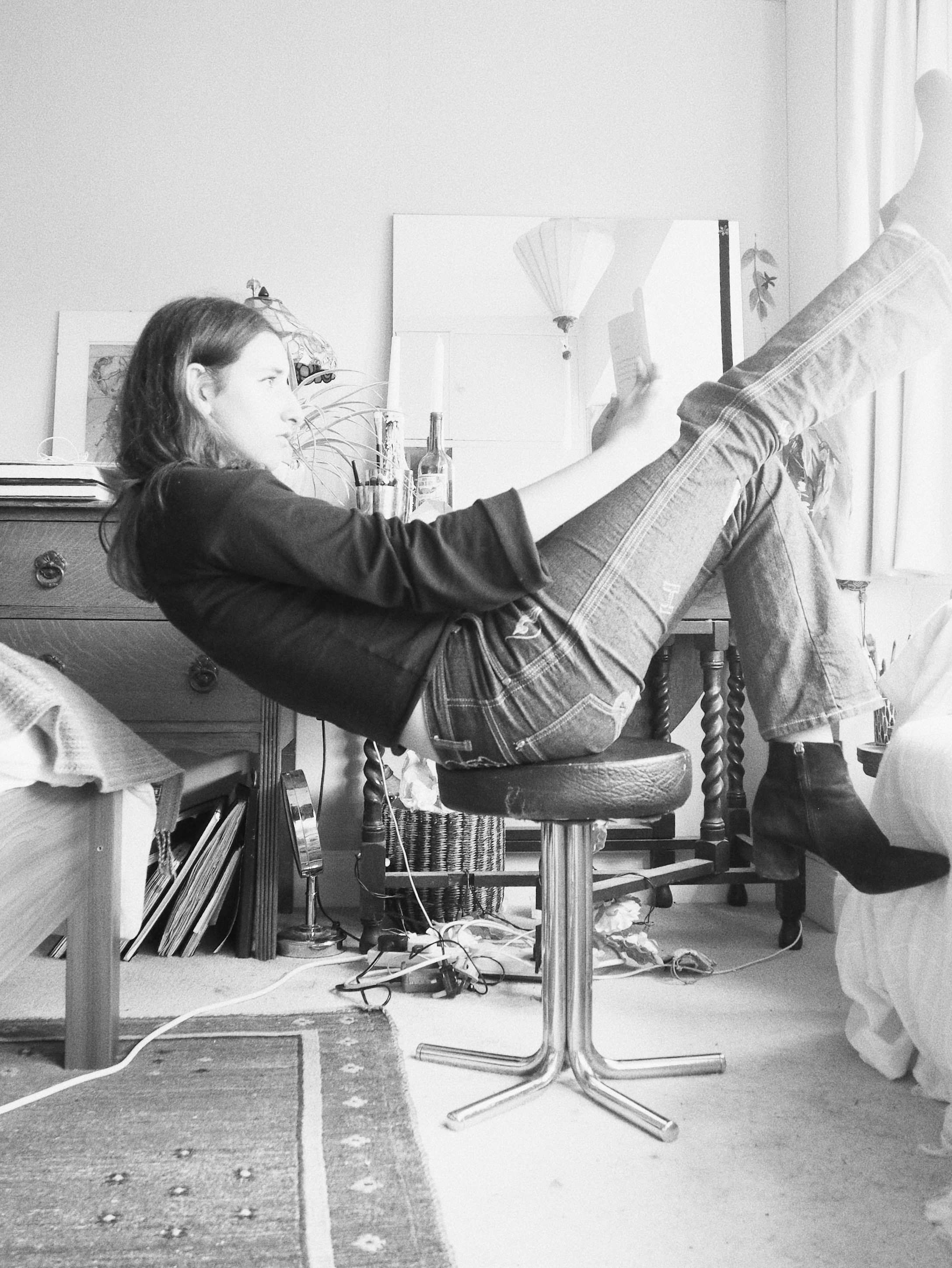
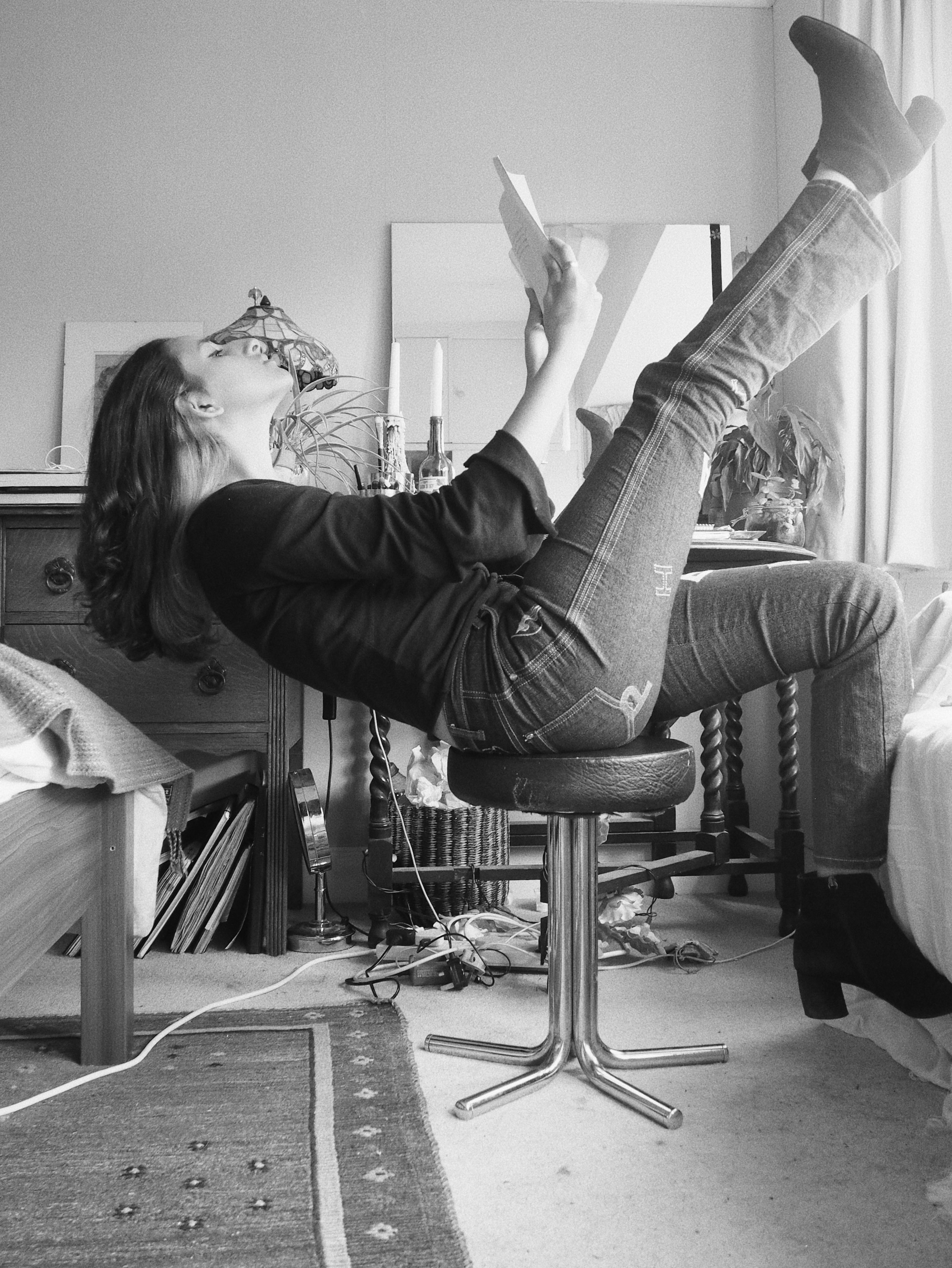
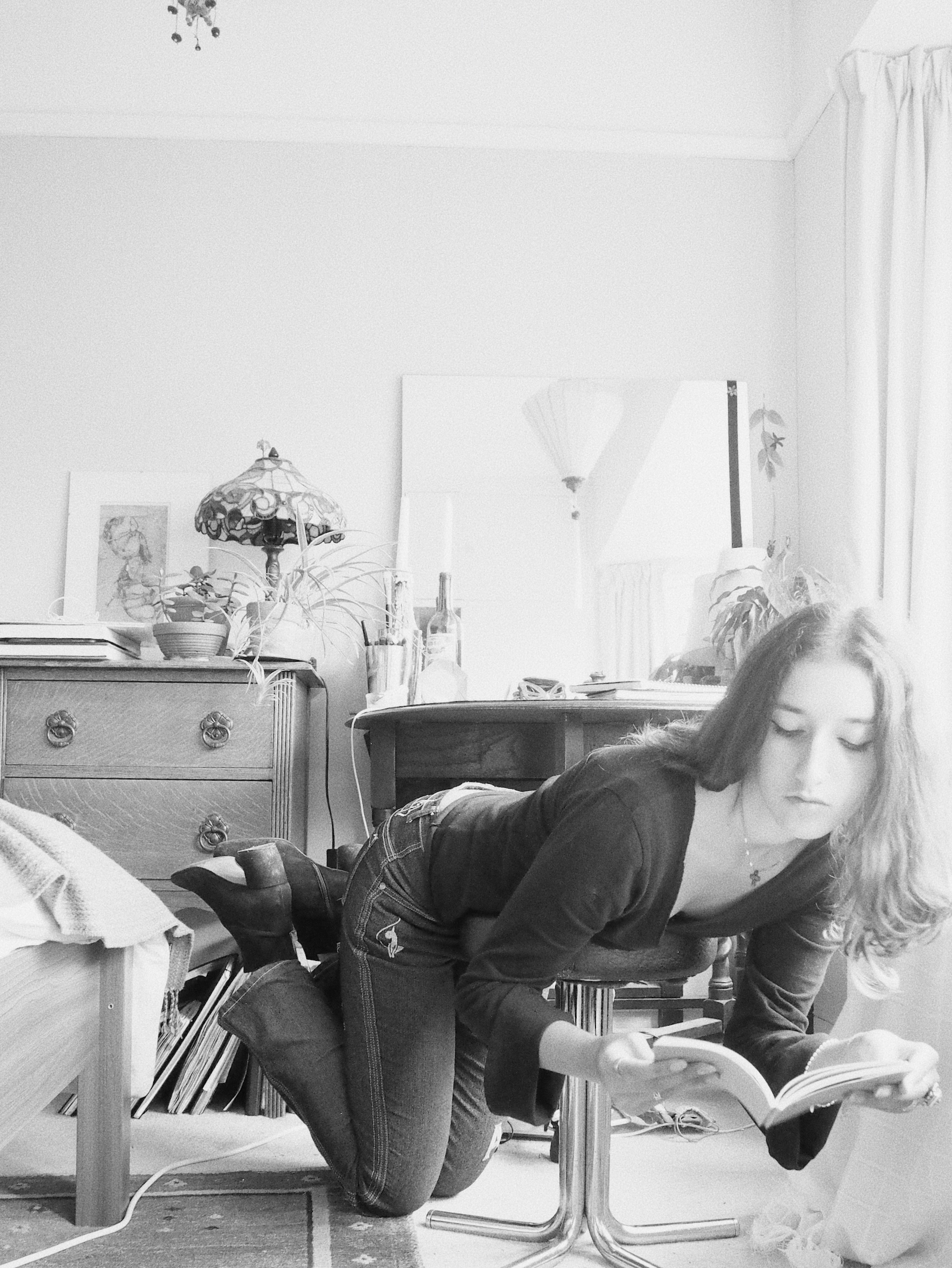
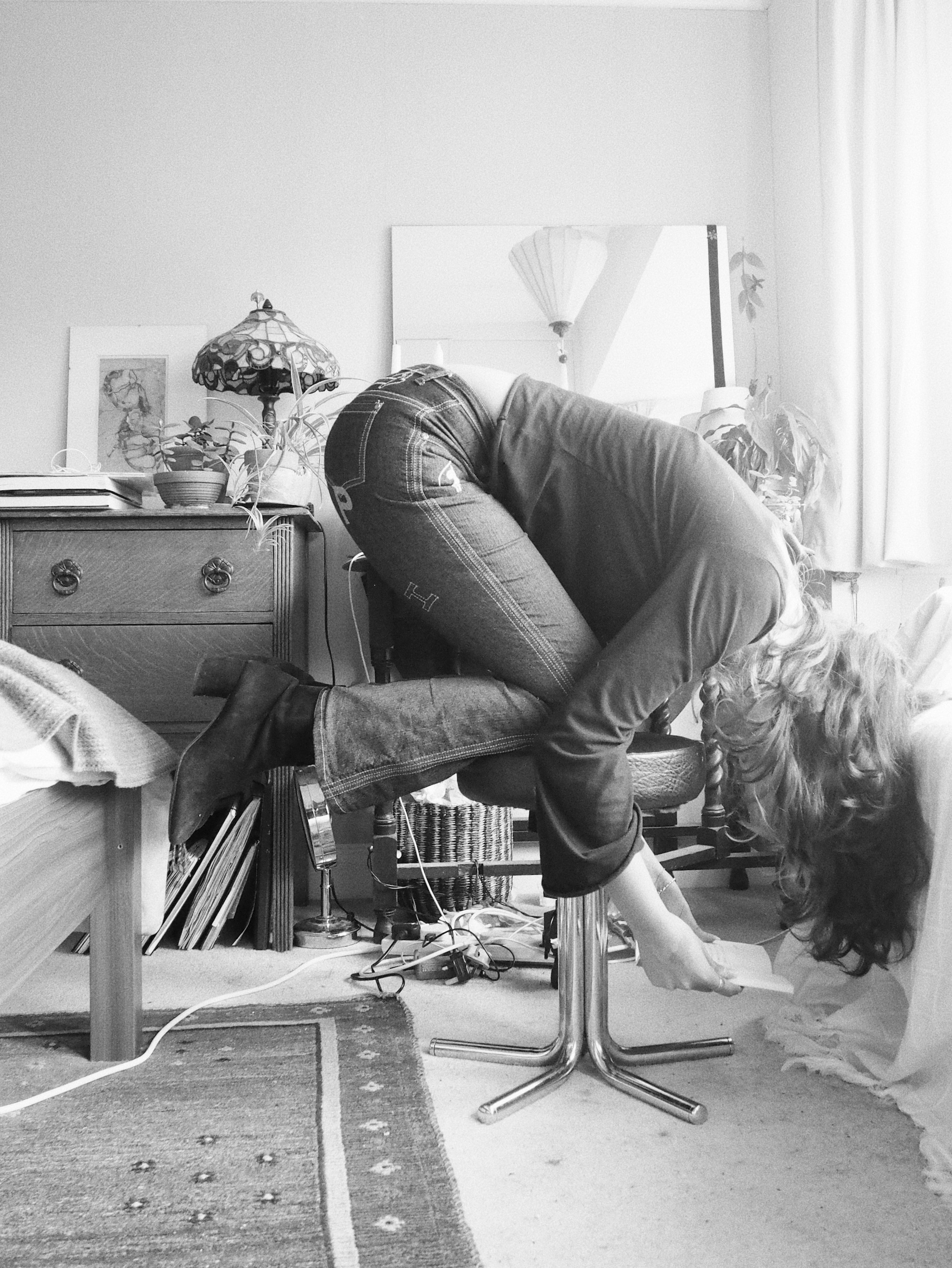
How to Sit (Twenty Ways to Sit On a Stool)
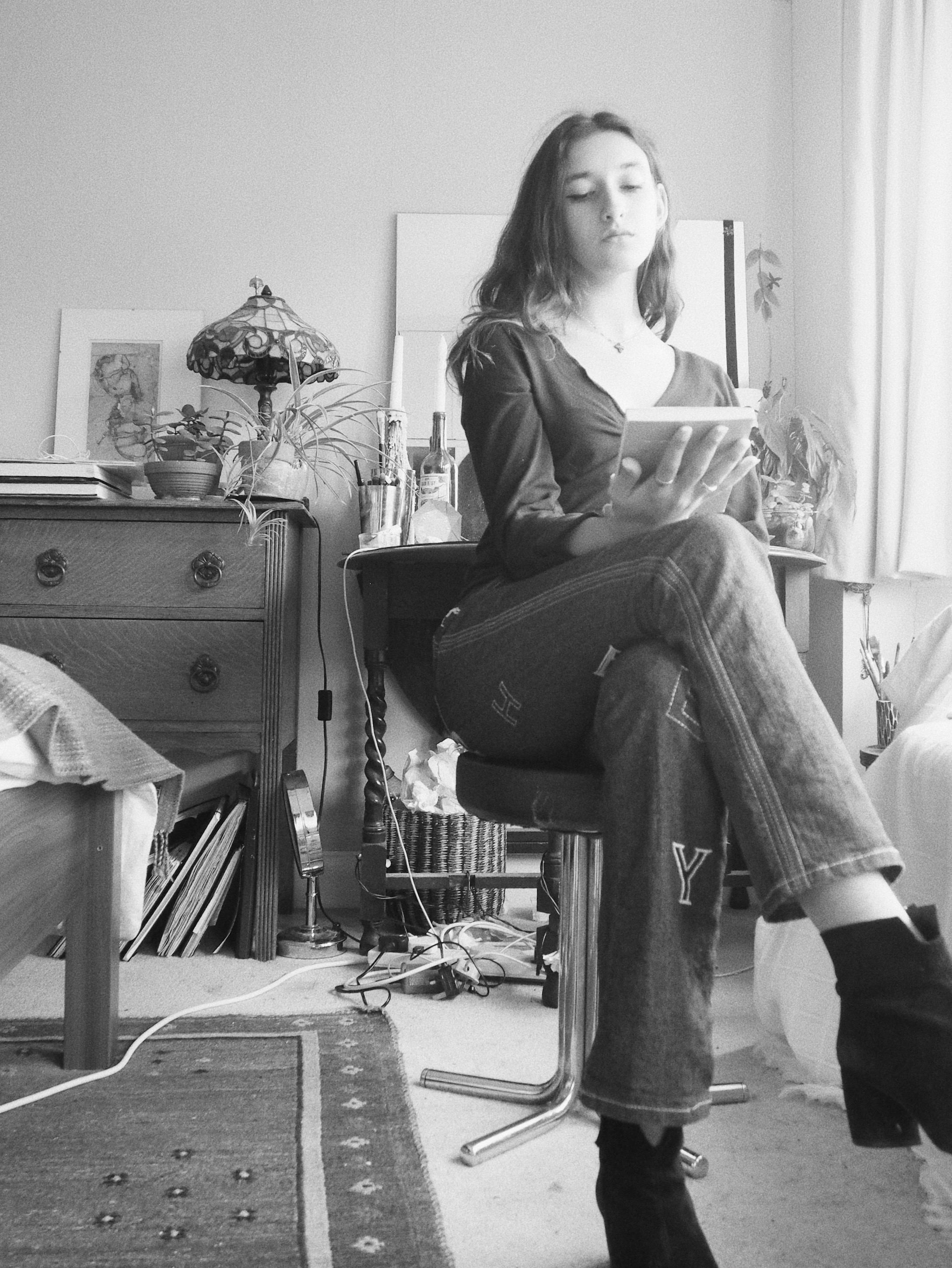
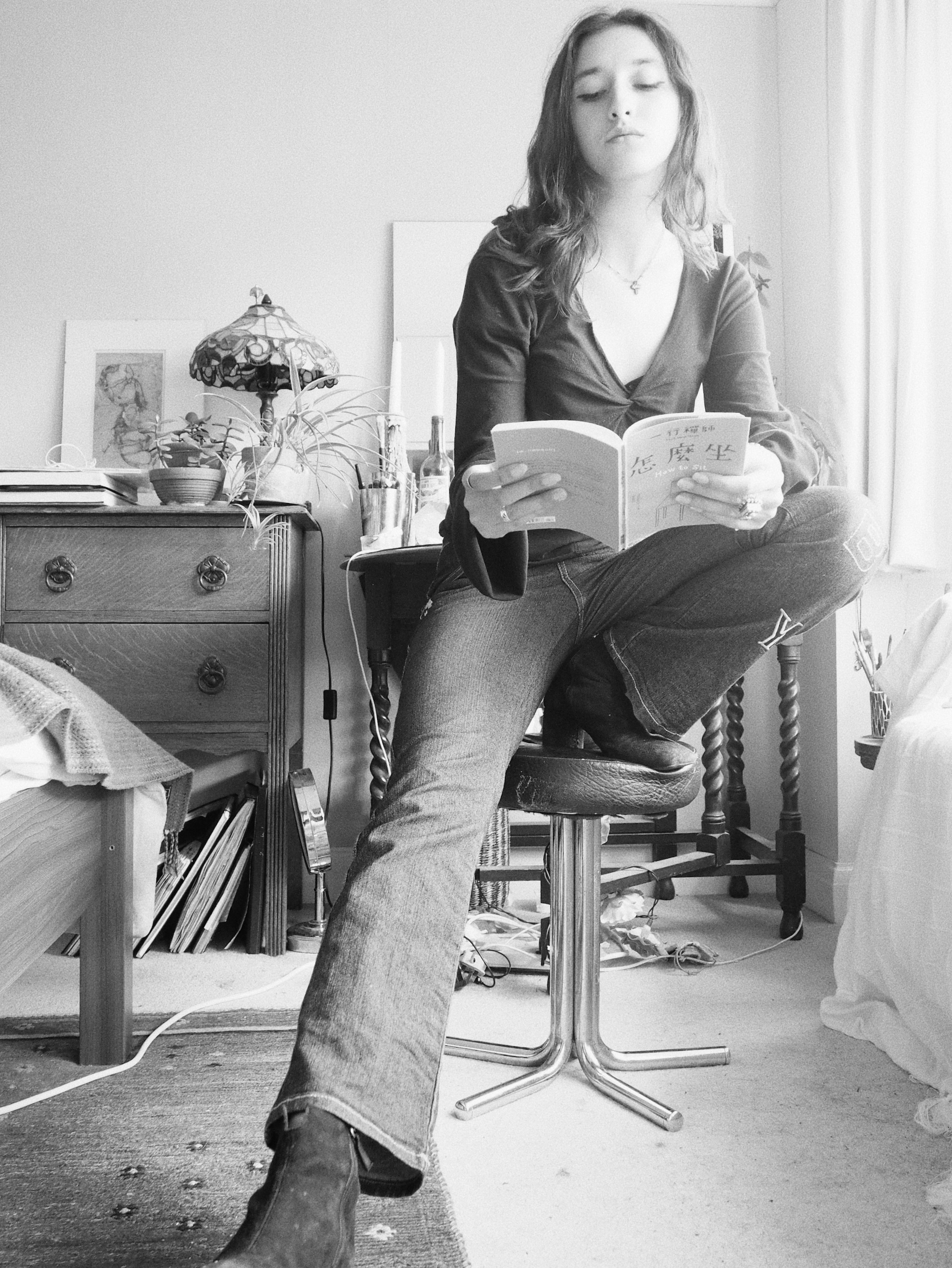
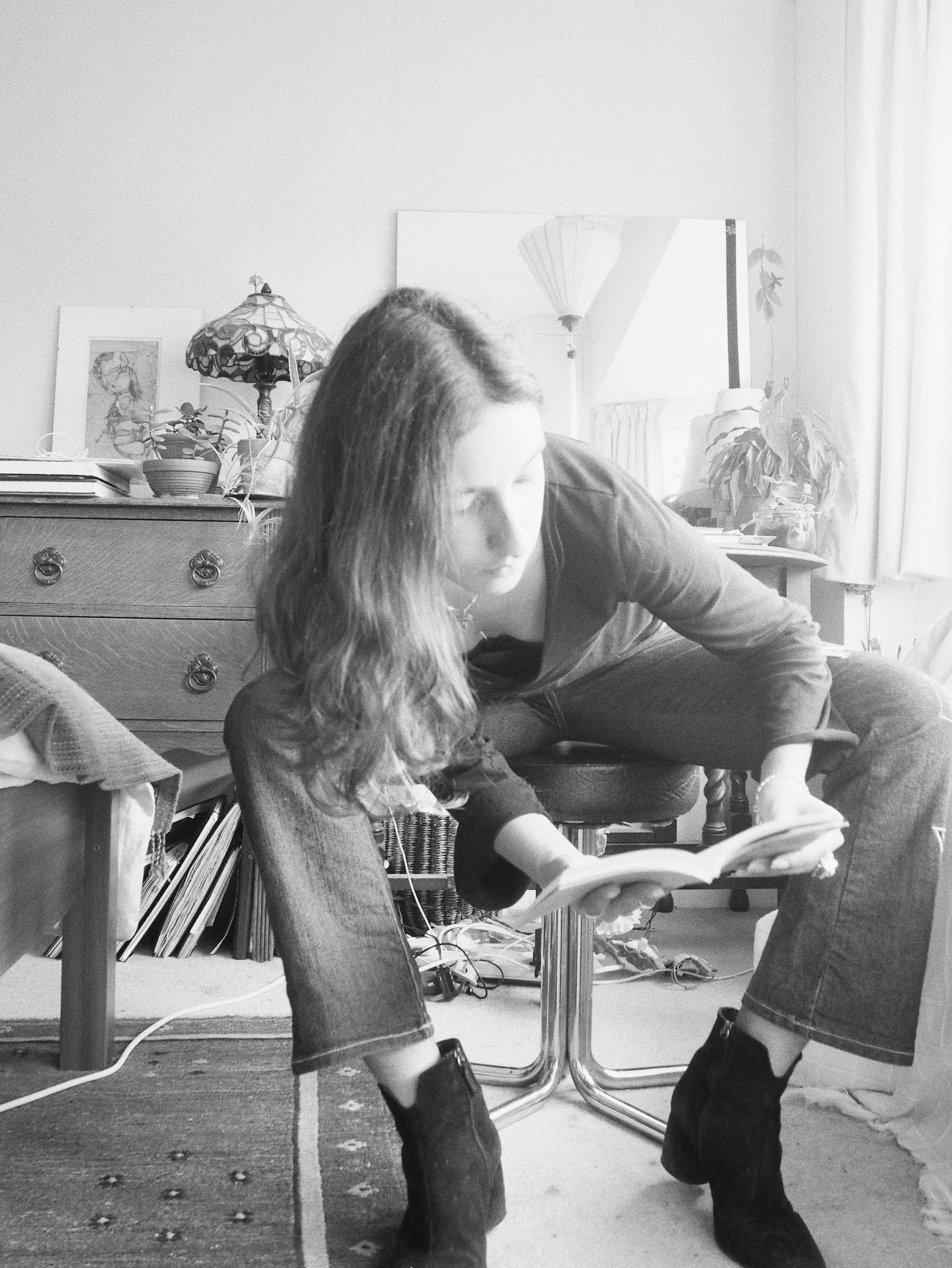
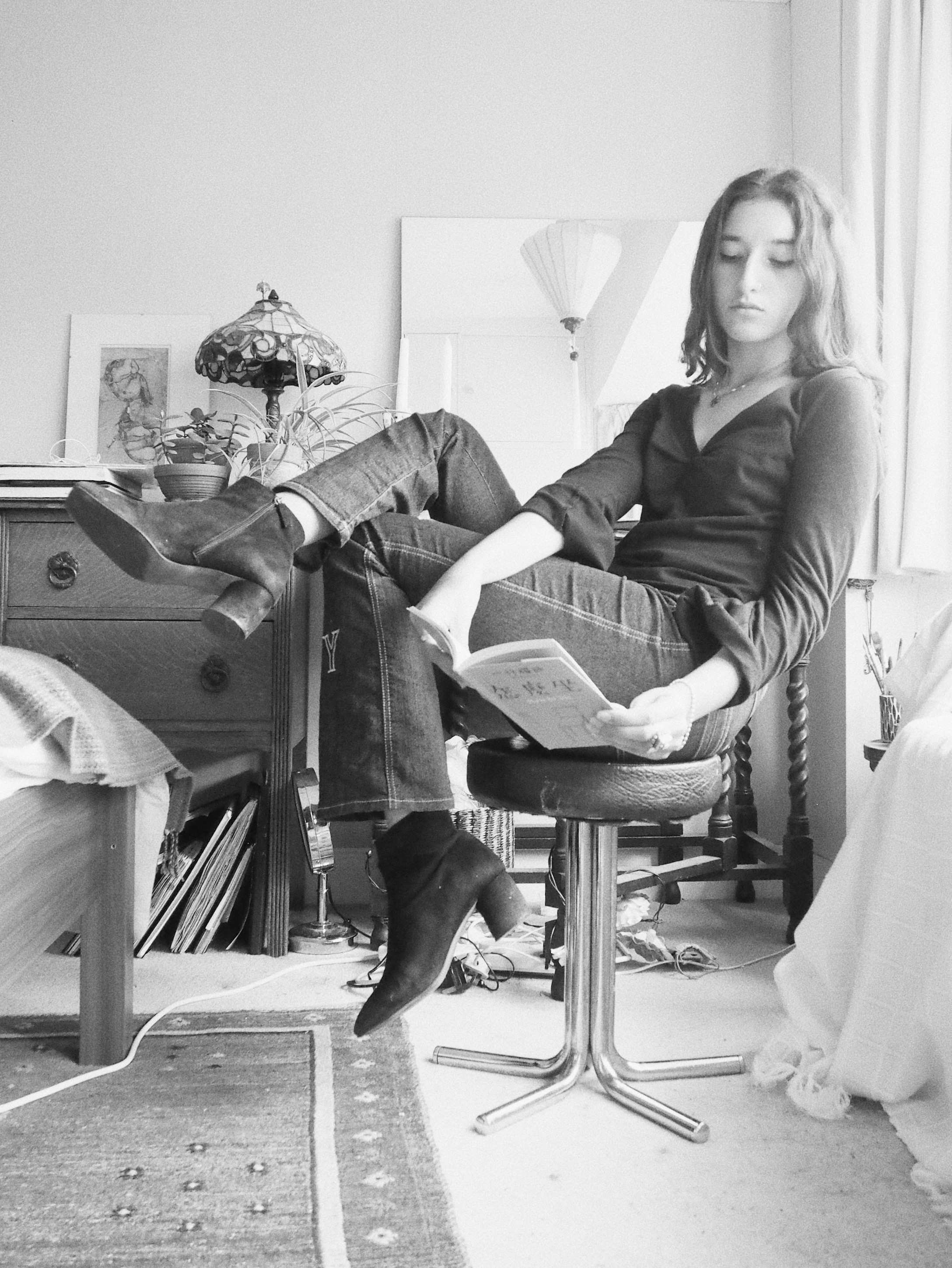
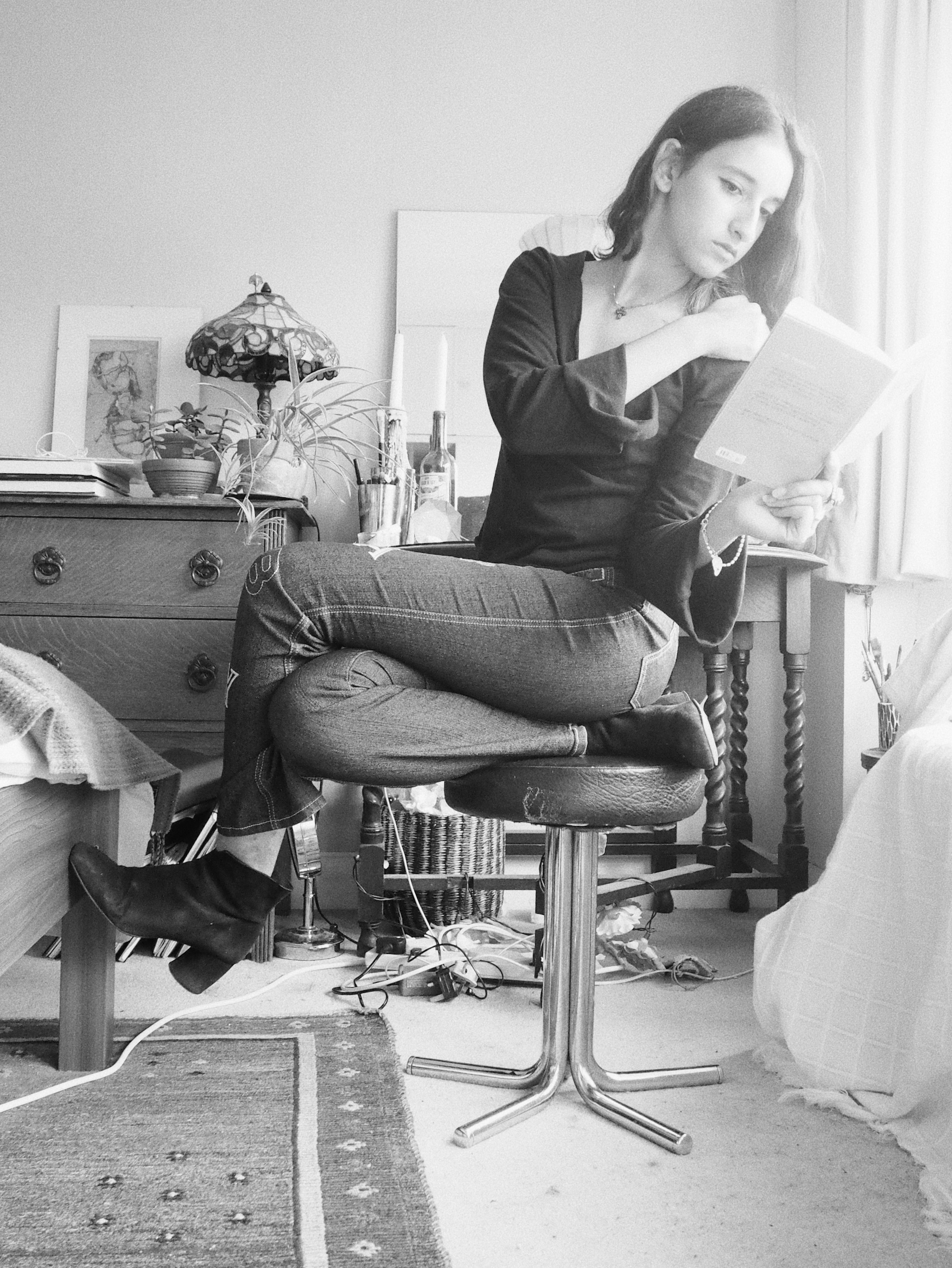
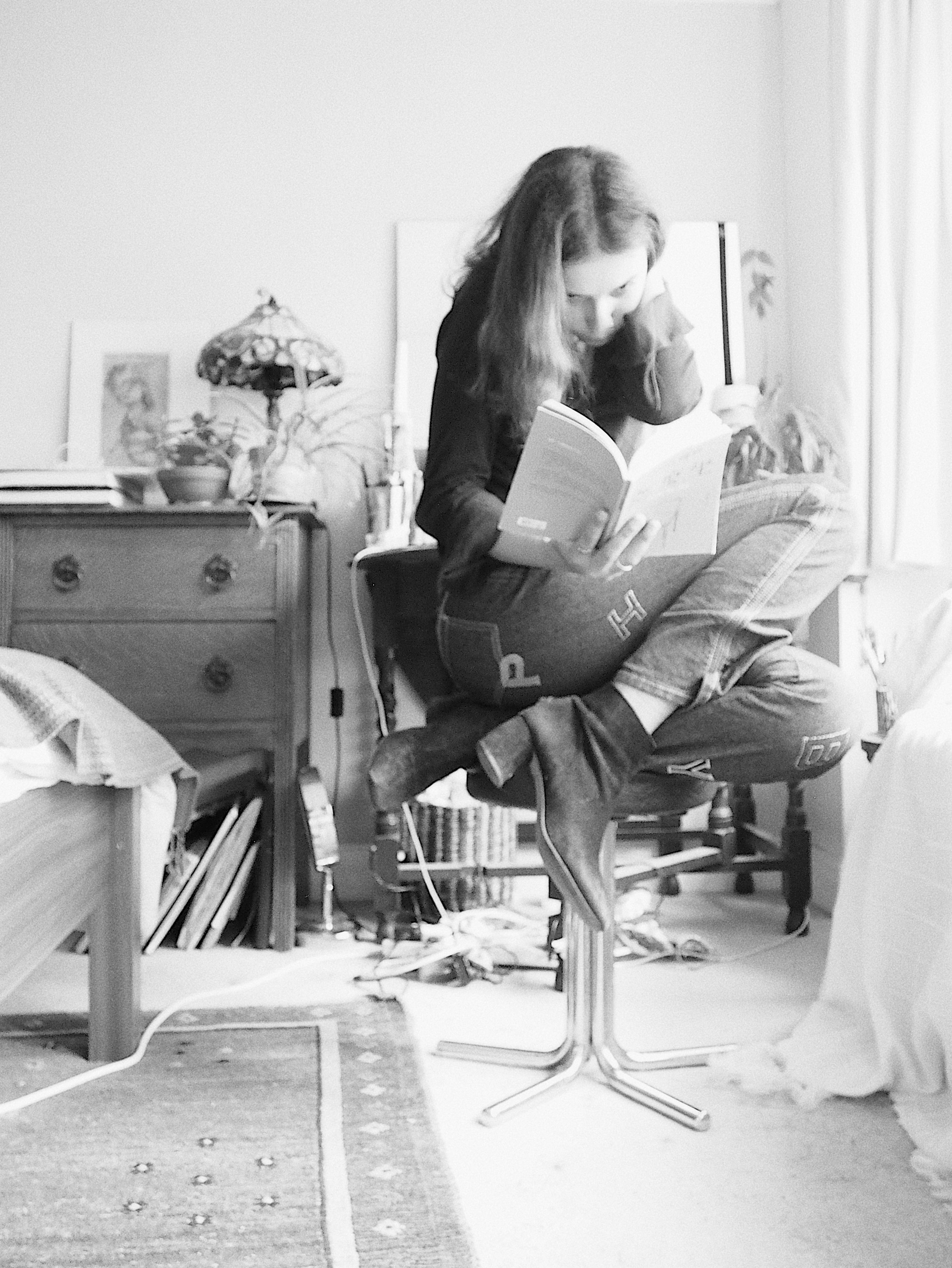
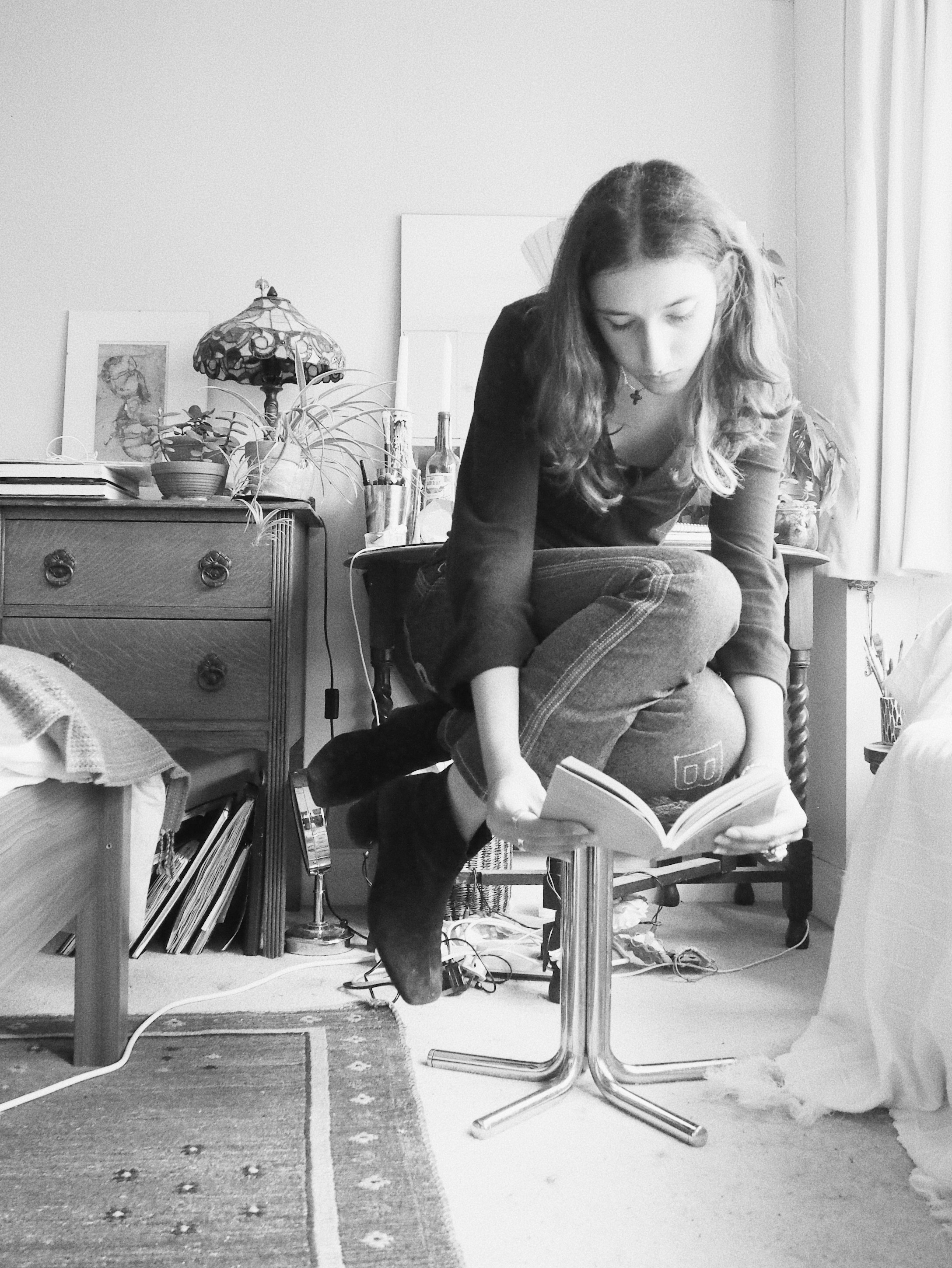
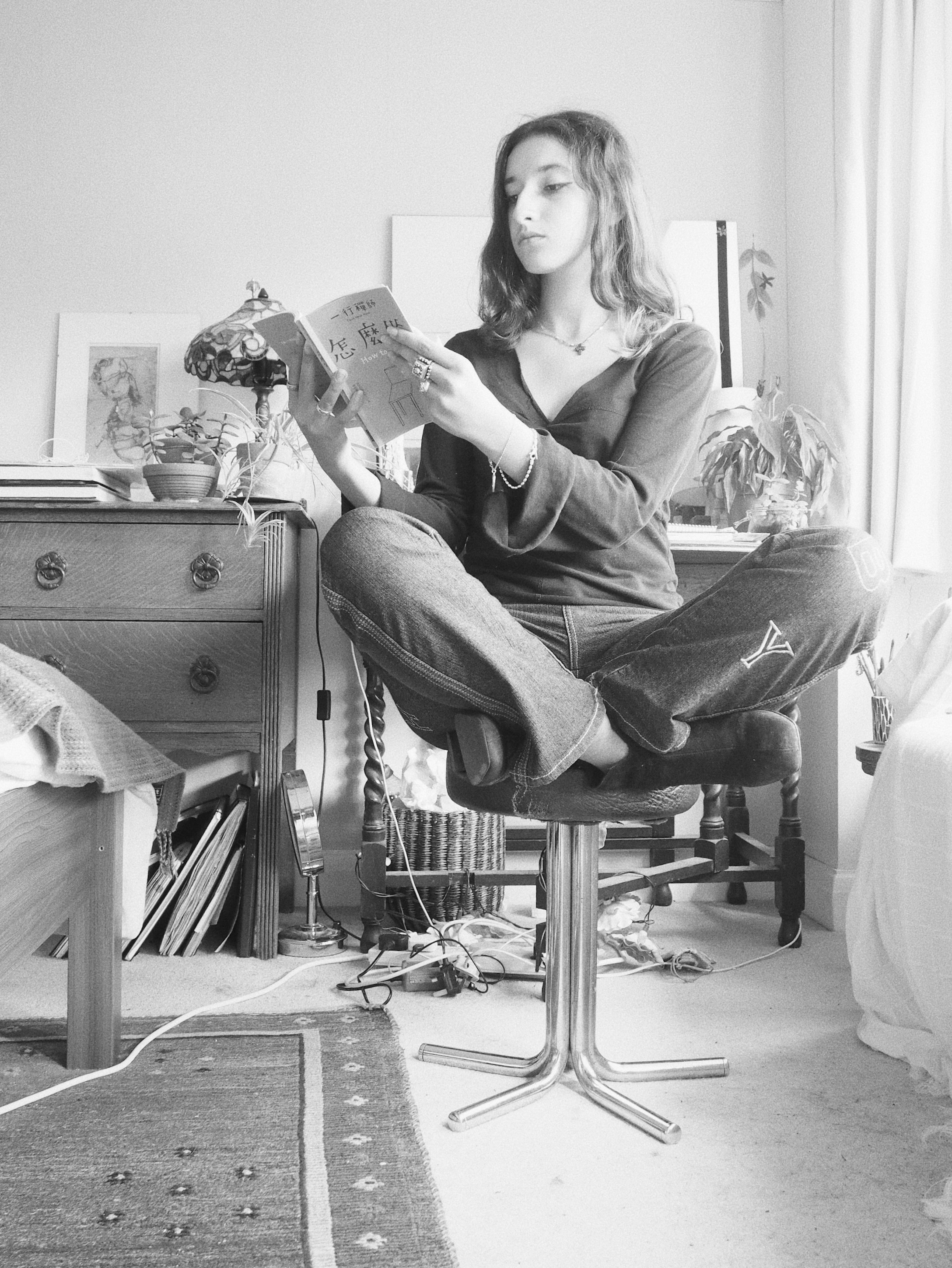
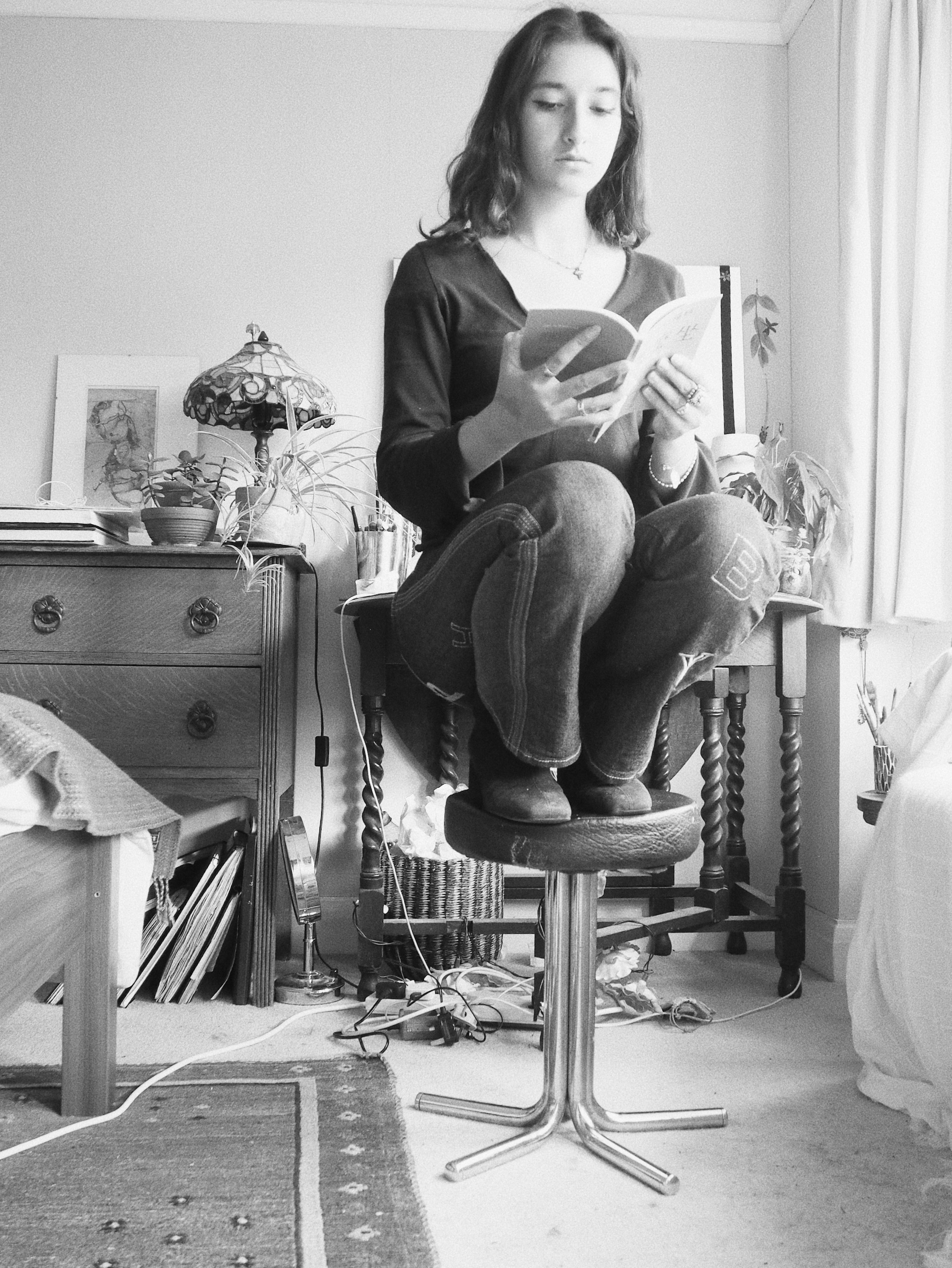
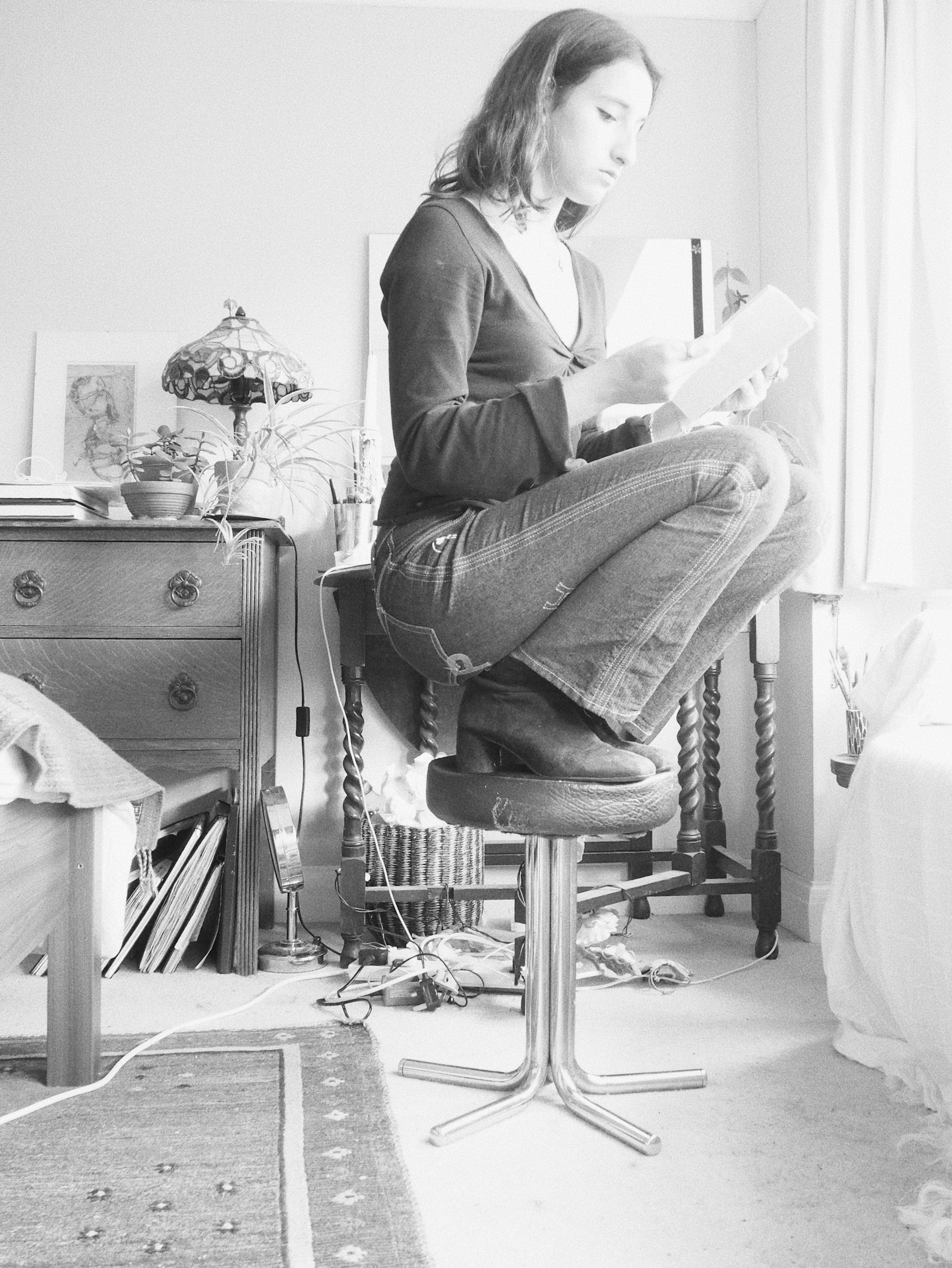
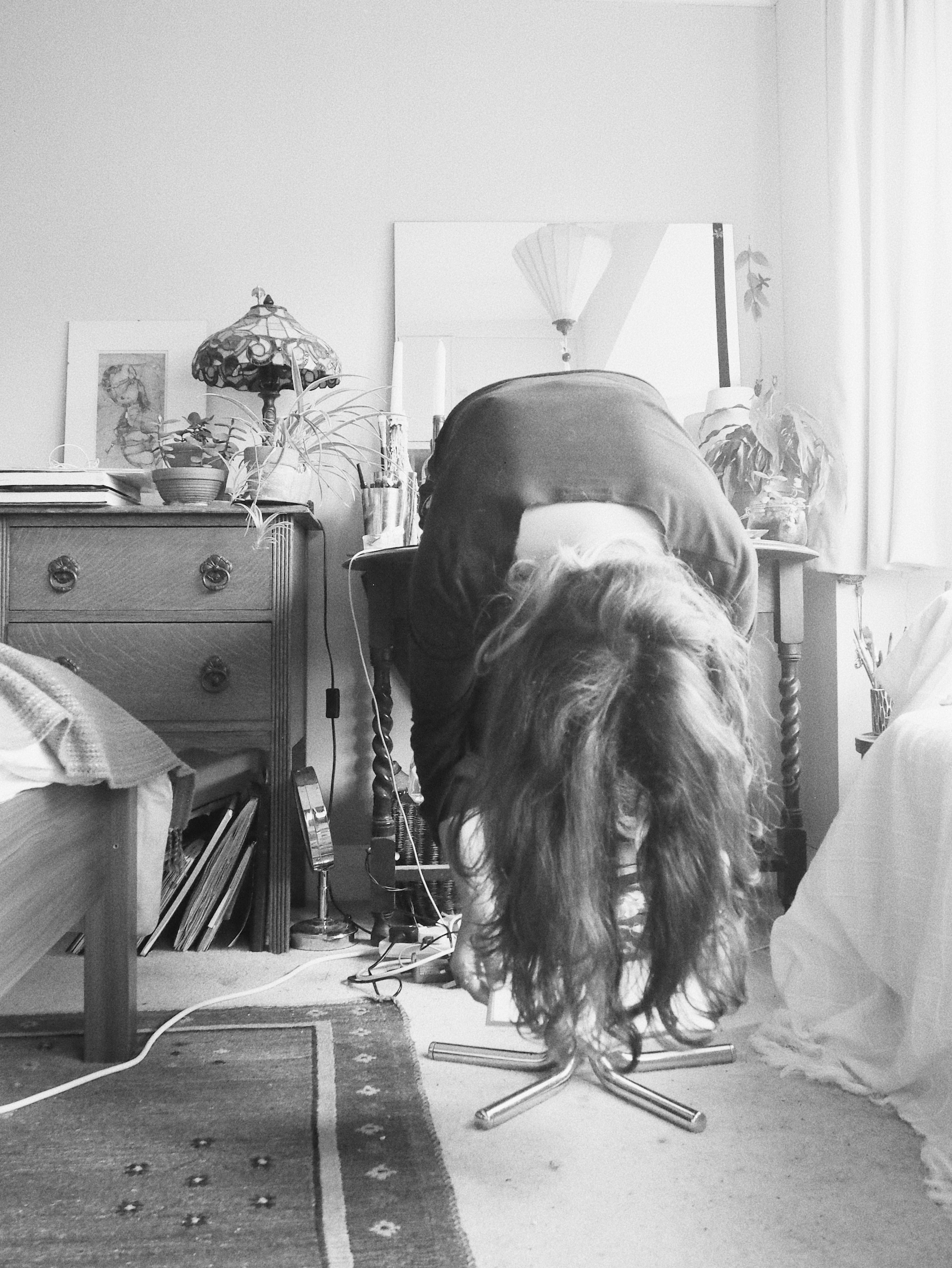
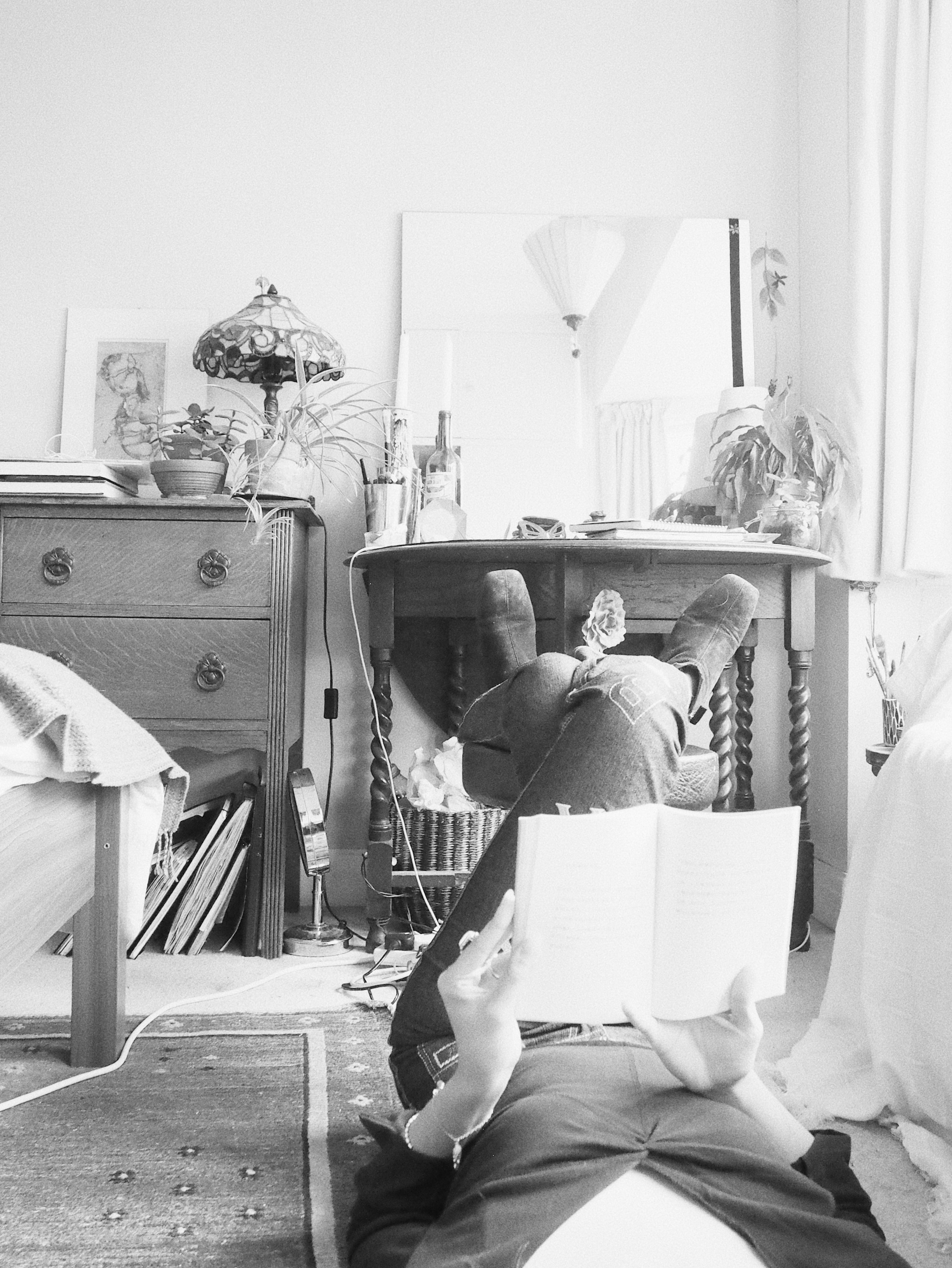
This sequence of photos was based around a book I picked found at a yard sale which has many memories associated with it. It is in Chinese but the name of the book is How to Sit. I decided to use this as inspiration because I could not actually read the book. I also used my stool I recently bought as a stimulus , which is in the photographs, and how, without a back, there are many more positions I could sit in through the many hours of being at my desk. I used chance to make this sequence by using a random number generator, between the numbers of 1-4, which dictated how many limbs could be on the stool whilst I sit and read this book. John Cage’s 4’33” was the foundation to this work as his video piece showed how much chance is in art. The piece will always be different when performed as it depends entirely of the sounds the audience makes- such as the shuffles, their coughs and any noise coming from somewhere else. However, one thing will stay the same which is the length of the piece always being 4 minutes and 33 seconds. This is how I wrapped my head around the concept of chance, understanding that there will always be controlled and dependent variables. In my case my control was the seat and that there would always be a limb touching it in some way but the dependent variable was the number of limbs on the stool as well as how I, in the moment, could think of a position. Someone else may think completely differently and interpret the concept of limbs in a different way; possibly using only a finger as one body part or counting the leg and foot as two. I thought of this after looking at the work of Ed Rusha: through the thought of differing interpretations of the same instruction. For his photography series of Thirty-four parking lots in Los Angeles he asked someone else to go up on a helicopter to take these arial shots. Depending on who he asked he would have got a completely different outcome due to their interpretation of the instructions. Erwin Wurm influenced me to use the body as a medium in his video of 59 Positions in which people use clothes and the shape of their body to create these organic shapes through their contortions as well as the nature of the fabric. I have also tried to create my body as simply a shape rather than the human self. I have chosen clothes that hug the body. I would have liked to gone further with this idea and completely isolate the body as just a shape by using a plain background and covering my face and hands etc, possibly in some sort of suit. I did make the pictures black and white though so that less focus was on colour and more on form, although not as much as I would have liked. On the other hand, my room gave another idea of normality rather than focusing on the body which draws the focus back to my stimulus of my stool and how I am shifting my position whilst I sit at it. So overall, I think it was successful.
I think John Cage’s work however, was the most influential and opened my mind to the presence of chance in art. I would like to maybe do this task again and use the same instructions but give them to other people and therefore, have a series of other minds’ interpretation. No work can ever be entirely copied just as any performance of play will never be exactly the same.